Brady Photographic Archive
Photos From The Brady Club
“I think what felt very nice about it was here are these photographs that had gone from the east end down to Limehouse and then they’d come back and been in a loft and then they’ve returned to where they belong just round the corner from where the Brady Club was founded on Darwin Street in 1896. It felt very much like a homecoming.”
This was the journey of 1000 images from The Brady Club, a youth club in the East End that ran from the late 1800s – late 70s, dedicated to providing a safe place and activities to local youth.
Sue Andrews talked us through the discovery of the photos and their place in the current exhibition set in their East End home in Hanbury Street.
Interview by Esta Maffrett | 28.09.22
I just wanted to ask the story, in your words of how you discovered the archive and kind of what the archive holds and what you've learned about it.
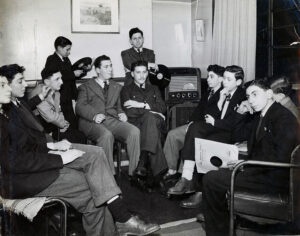
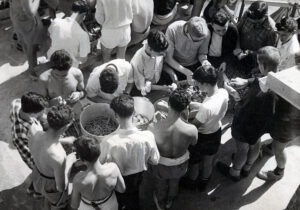
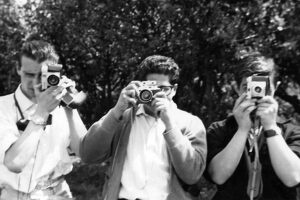
There was a former editor of The Sunday Times called Hannah Charlton who had rescued a whole load of photographs (approximately 1000) back in the 70s from the Museum of Labour History which was closing down. Hannah was doing a lot of projects around youth at the time, and took the collection for safe-keeping thinking at some point in the future she would write a great story about this club but the pictures ended up waiting in her loft and were almost forgotten until due to a move, she rediscovered them. Hannah felt terrible and so spoke to a friend in the photography world, Zelda Cheatle, who suggested she take them to the East End Archive at the School of Art, Architecture and Design at London Metropolitan University. I (Sue) was running the East End Archives at the time and Zelda and Hannah came in with these plastic bags filled with photographs, literally 1000 photographs! The photographs were from different eras, the earliest from 1920s but not many of those, most were probably taken in the 50s and 60s when the Club had its heyday, though some were from the 30s and 40s. We were going through them and I knew nothing about the Brady Club, I was working with students at the time who were very interested in the photographs so I said, some of these people in the photographs are definitely going to be alive so why don’t we try and find them. Our gallery space at the time was opposite the Whitechapel Gallery and had a huge glass front on the ground floor, so we blew up some of the images and put them in the windows hoping someone might see them when walking past. We also contacted local press and after a few days one of the students came up to me, terribly excited, saying ‘they’re down there, they’re down in the gallery’ and there were some of the people who had been in the club. They were very excited because they hadn’t seen these pictures for years, some of them had a few photographs but nothing like this. Between us, we set up something called the Brady Photographic Committee. I think what felt very nice about the rediscovered archive was, here are these photographs that have travelled from where they were created in the East End to the Museum of Labour History in Limehouse, then into storage in a loft for nearly 40 years, finally returning to where they belong the East End, just round the corner from where the Brady Club was founded on Durward Street in 1896. It felt very much like a homecoming. And of course the photographs were returned to their owners because many of the photographs were taken by the members of Brady in their photography club in the first place. So we were happy to find them but we thought, what are we going to do with all these photographs? This is a bit of social history.
"It’s really interesting how many people say that the club transformed their lives and saved their lives, it was their refuge and so they feel very passionate about it and building the archive."
Why does the Brady Club stick out as an important youth club?
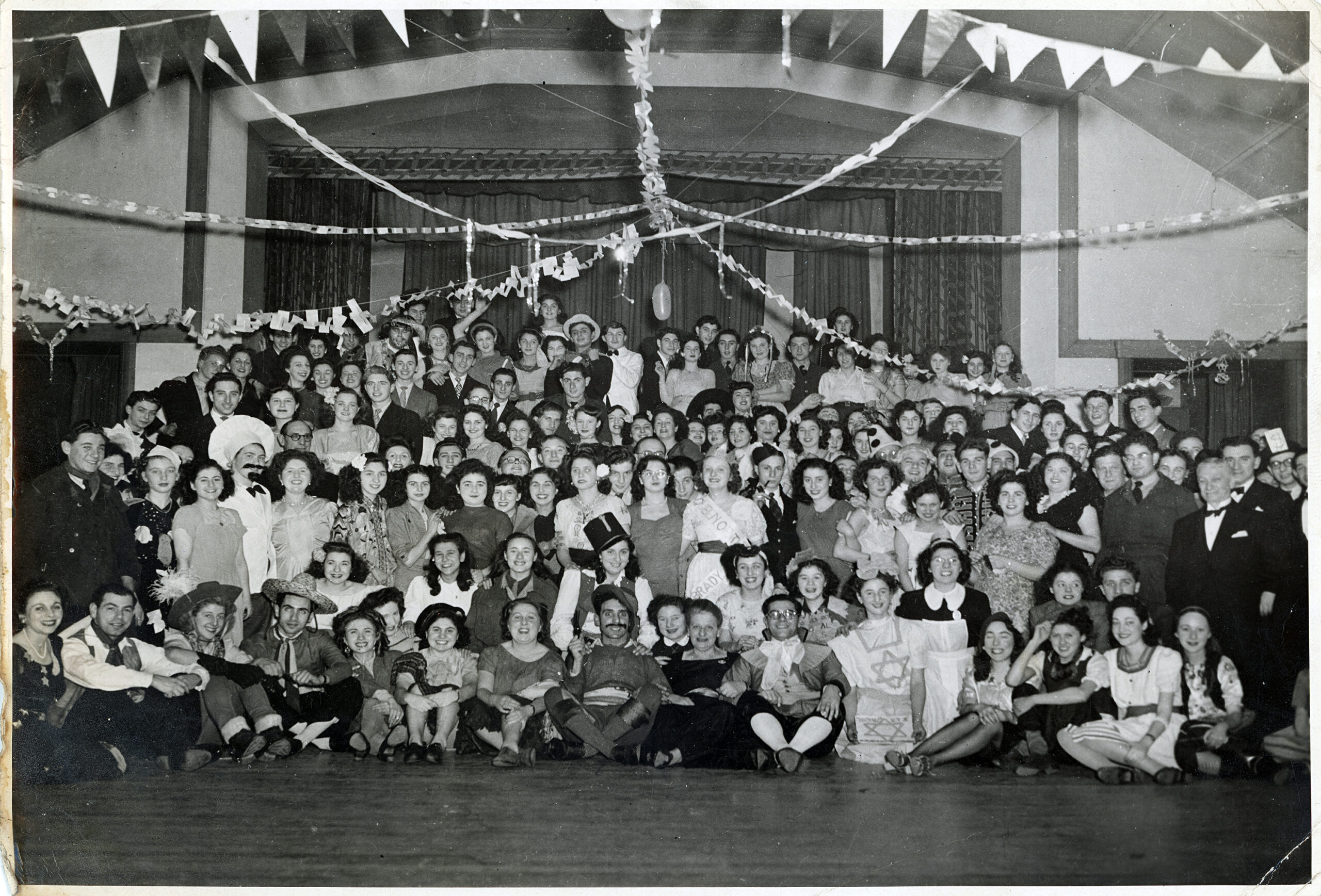
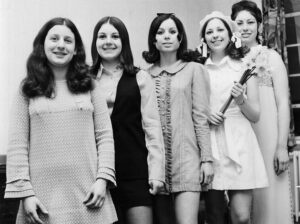
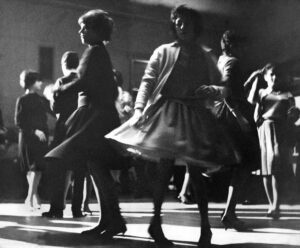
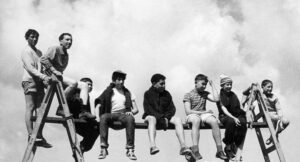
The club was really influential, it was a pioneer in terms of youth work. It was quite cool and lots of bands would play there, Jimi Hendrix played and the Beatles played a fundraiser for them. The Duke of Edinburgh’s Award was trialed through the club and they had lots of contacts in different areas that gave, what we’d now call underprivileged East End kids, an opportunity to experience other bits of life. They might be taken to a house in the country at Skeet for the weekend or on holidays abroad as well. Yogi Mayer who ran the club in the 60s and 60s was a very creative and driven youth leader. Initially, Lady Rothschild established Brady as a club for the ‘working poor’. However, it became the first Jewish youth club in the country because many Jewish people at the time were fleeing the pogroms in Eastern Europe and Russia and ended up living in London’s the East End. It was a very welcoming club, people learned all sorts of skills, they did sports, they had dances and many of them met their future wives or husbands. In fact, it’s quite extraordinary how many of them met at about 14 or 15 and are still together and devoted to each other today. I mean, it’s obviously a different time but it’s quite extraordinary really. So these photographs document a bit of history, I think a lot of people who are in them feel very passionately about youth work and what youth work did for them. There were many reasons why young people joined the club, for example, some joined the club because they had no shower at home, so their parents would send them and say, go do some sport and then you can get a shower. The Club was amazing and it gave them a rich life with each other but it did stretch them, it made them see a future beyond the limitations of the poverty in the East End. It gave them confidence and experience to go out into the world and many of them have done incredibly well for themselves, although most of them probably left school at 14 because that’s what happened then. I suppose they felt very grown up at the age of 14 because they had left school and were working, they didn’t feel like kids anymore.
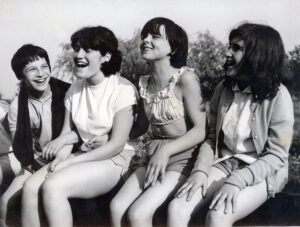
So the archive is growing as we’re recording video histories, we started digitizing material related to the boys club and now we’re doing the girls club. They were separate clubs but ran in parallel and from 1960 they ran from the same building in Hanbury Street where the current exhibition is, now known as the Brady Arts and Community Centre. We wanted the exhibition there because it was the former Brady Club home, and having the former Bradians meet there again and chat in the canteen so many years later was a very lovely experience. Now Bishopsgate Institute holds the physical collection of Brady Club photos and we grow the collection through recording interviews and the memorabilia that people give us, like old albums and little souvenirs of menus. There is also significant collection of magazines and paperwork at Tower Hamlets Local History Library and Archives. The Brady Club published a magazine every month and we’re going to start digitising these with part of the funding we got to digitize the collection from the Rothschild Foundation Hanadiv Europe. The Brady magazine was initially written by the adults for the kids but it was taken over by the young people who then began to write it themselves. In fact, one of the people I interviewed was one of the first people to write in it and he went on to write for the Evening Standard. What’s become very apparent to me is the structure of the club is very interesting. The older people were the leaders but the managers of the club were young people, about 17/18. Initially, they came from wealthier families in the West End doing voluntary work but then when members left the club they came back as managers and helped the younger people. I think it worked very well because the younger kids could look at the former members who were still very young themselves and see them as amazing role models. Apparently, once you’d been at the Club you could use it for the rest of your life if you wanted to. There was something called a friendship club, which was for former Brady’s to continue to meet up. It became a really close knit community and their friendships have lasted.
What was the running of the club like?
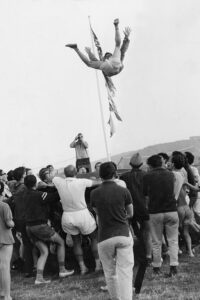
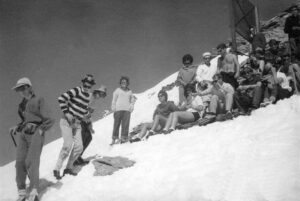
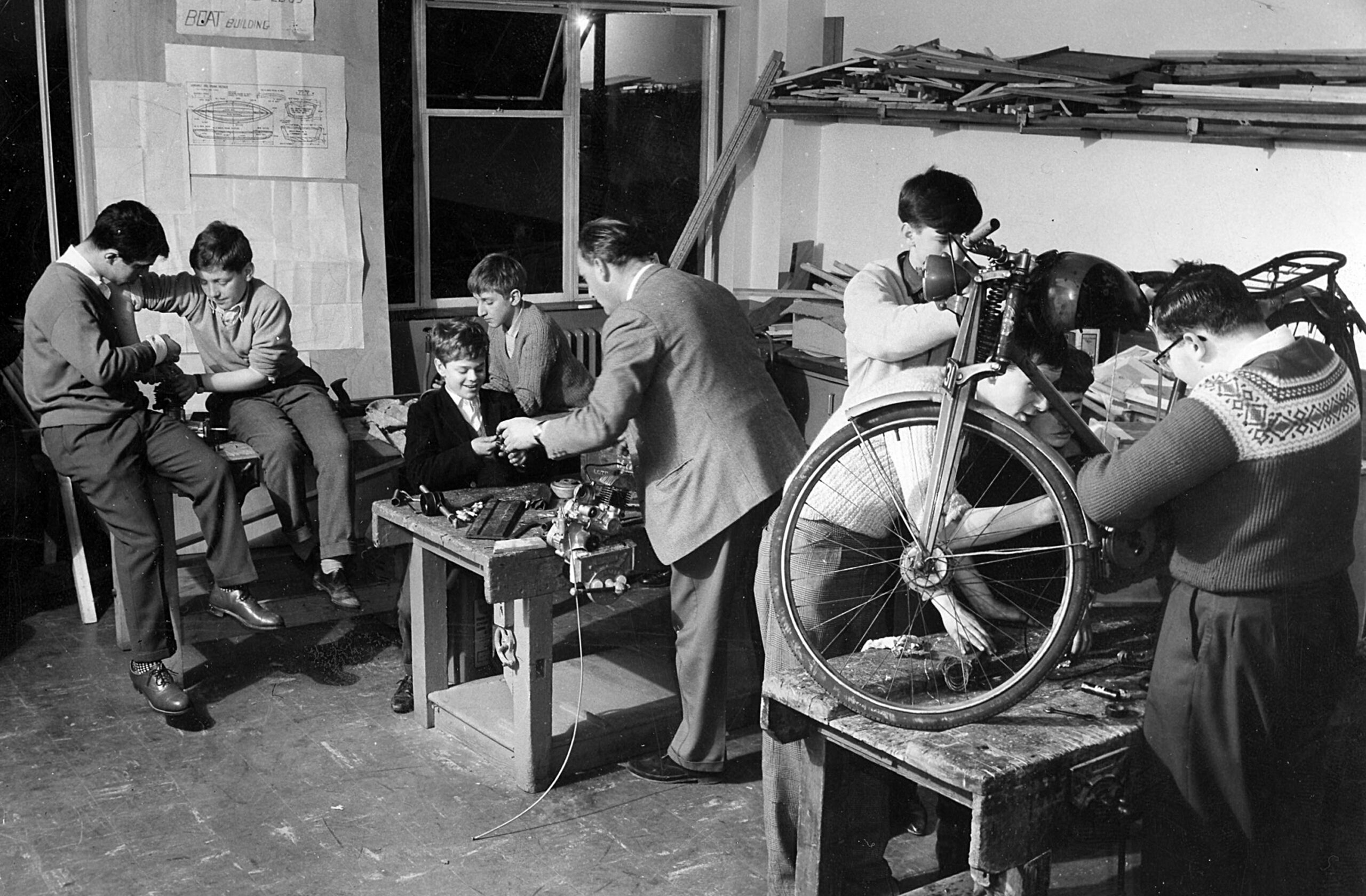
The older young kids would run the Skeet weekends, managers would be there but the young people would devise what happened. It was a busy club and there was a lot of freedom but a lot of structure at the same time. For example, you had to do two activities in order to attend the dances. So maybe sport and drama or photography or woodwork, there were loads of activities, loads of things on offer. I was really surprised at one of the stories of going abroad to Switzerland and they told the boys to hitchhike in pairs as far away as they could and then get back in two days with something stamped to show how far you got, the winner was the person that got furthest. You can imagine it was incredibly exciting and obviously it gave them incredible confidence. Of course it’s a very good job nothing went wrong but it also gave an amazing freedom to be that far from the East End. And they bonded, of course, like you do when you go away together as young people.
Have any of the stories from the club stuck out to you?
There’s a lovely but very sad story someone told me from a boy who was there in the 40s, during the war, a nearby block of flats was blown up and some kids from the youth club died. The boy was terrified and developed a stammer which really affected him and he couldn’t get rid of, he said he wouldn’t get through school because he couldn’t take part properly and nobody knew how to help. He left school and went to the Brady Club where someone suggested that he join the debating society. Initially reluctant, they convinced him that they could help. His stammer improved and he ended up competing in a debate - Brady Boys from the East End versus Harrow School with the prize being that the winner would speak on the BBC and he won! He said it was entirely down to Brady, the care and confidence and everything he was given. He ended up going to Cambridge University many years down the line but without Brady his life would have been a totally different story. It’s amazing how many people were given individual attention and encouraged to do the best they could for themselves.
It’s really interesting how many people say that the club transformed their lives and saved their lives, it was their refuge and so they feel very passionate about it and building the archive. There are 12 of us in the Brady Photographic Committee, reaching out and finding people to build this piece of social history.
Tell us about the exhibition and how you chose the images featured?
We had been in conversation with the Brady Arts and Community Centre in Hanbury Street about this for some time and we wanted the exhibition in that location because it had been the Brady Club’s home. Initially, the purpose-built facility opened its doors in 1935 and was home to the girls club, which was founded by Miriam Moses in 1925. However, in 1960 the boys joined the girls in the building.
For the exhibition, we wanted to select photographs representing a range of activities, images of holidays abroad, camp, life at the club, activities, dances and some celebrities who came to visit. In the future, we will leave a permanent selection of photographs at the Arts Centre, e.g., we will place images taken on the stairs in the stairwell and the same with other locations, to show the history of the place and give people a flavour of what it was all about.
The exhibition is running until October 1st at the Brady Arts & Community Centre, Whitechapel. Entry is free.