The Stories that Made Us with Hardish Virk
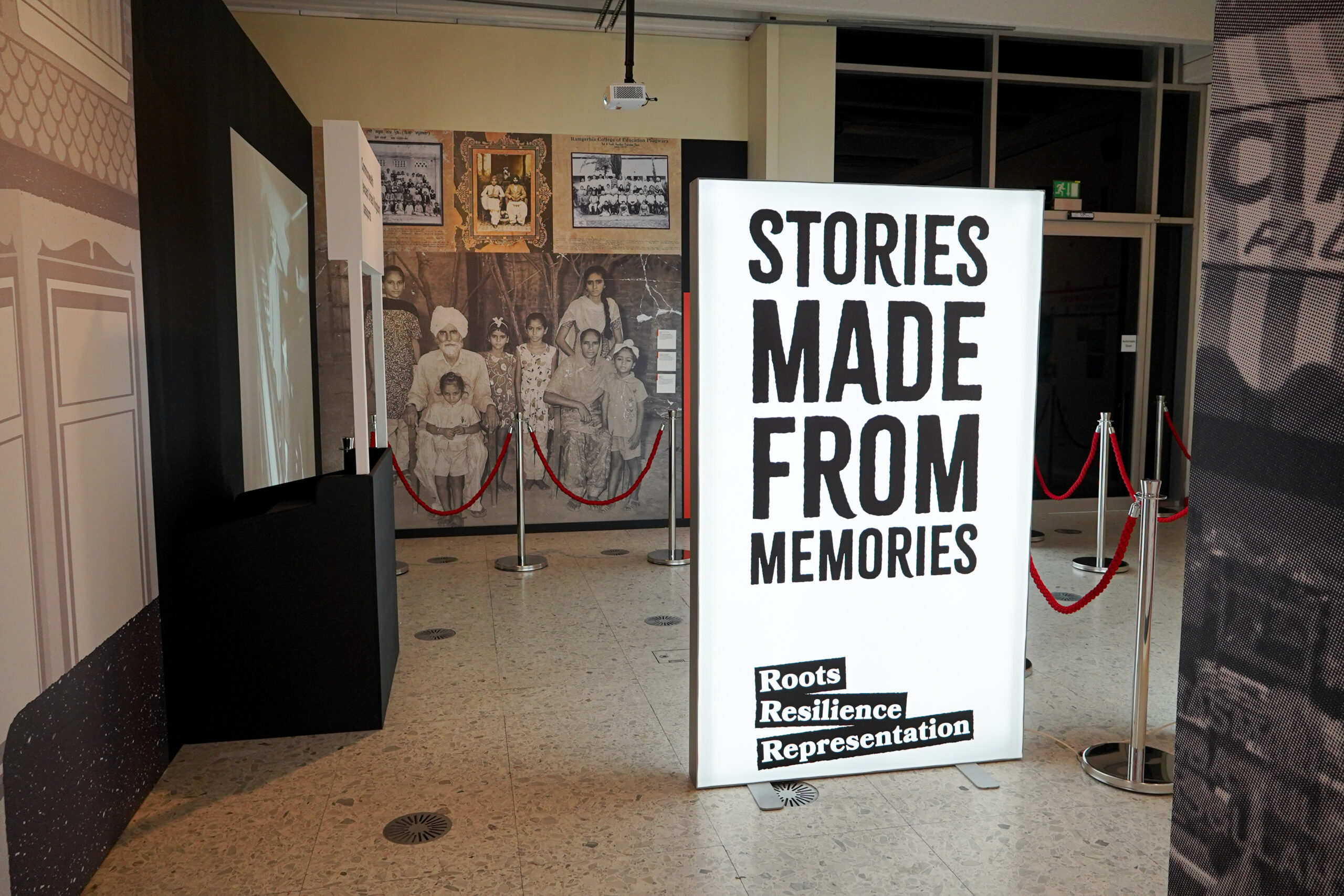
Archives, and storytelling through art can shape how we understand ourselves and where we belong. For Hardish Virk, decades of collecting, documenting and creating have led to Stories That Made Us - Roots, Resilience, and Representation; an immersive exhibition focusing on South Asian stories, currently on show at the Herbert Art Gallery & Museum in Coventry.
We sat down with Hardish to talk about archives as evidence, building a living museum, and how personal and collective histories can challenge stereotypes and connect communities across generations.
Interview by Elisa Mazzuca | 18.02.26
Thank you so much for joining us in this interview! Would you like to introduce yourself and your practice?
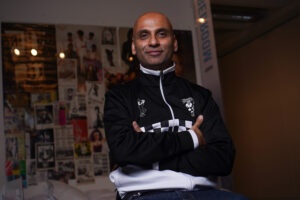
My name is Hardish Virk, and I have various different roles in the context of this project, Stories That Made Us. I'm an archivist, a curator and an artist; and I've conceived and co-curated the exhibition, Stories That Made Us - Roots, Resilience, Representation that is currently showing at the Herbert Art Gallery & Museum in Coventry.
That sounds amazing! Tell us a little bit about this exhibition. What was the inspiration?
I think it's a three fold approach.
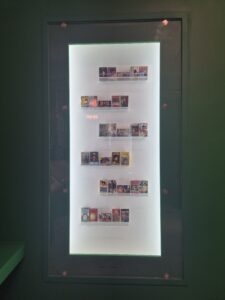
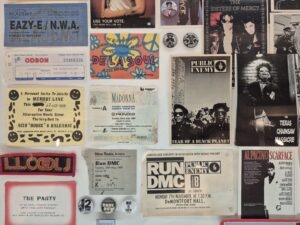
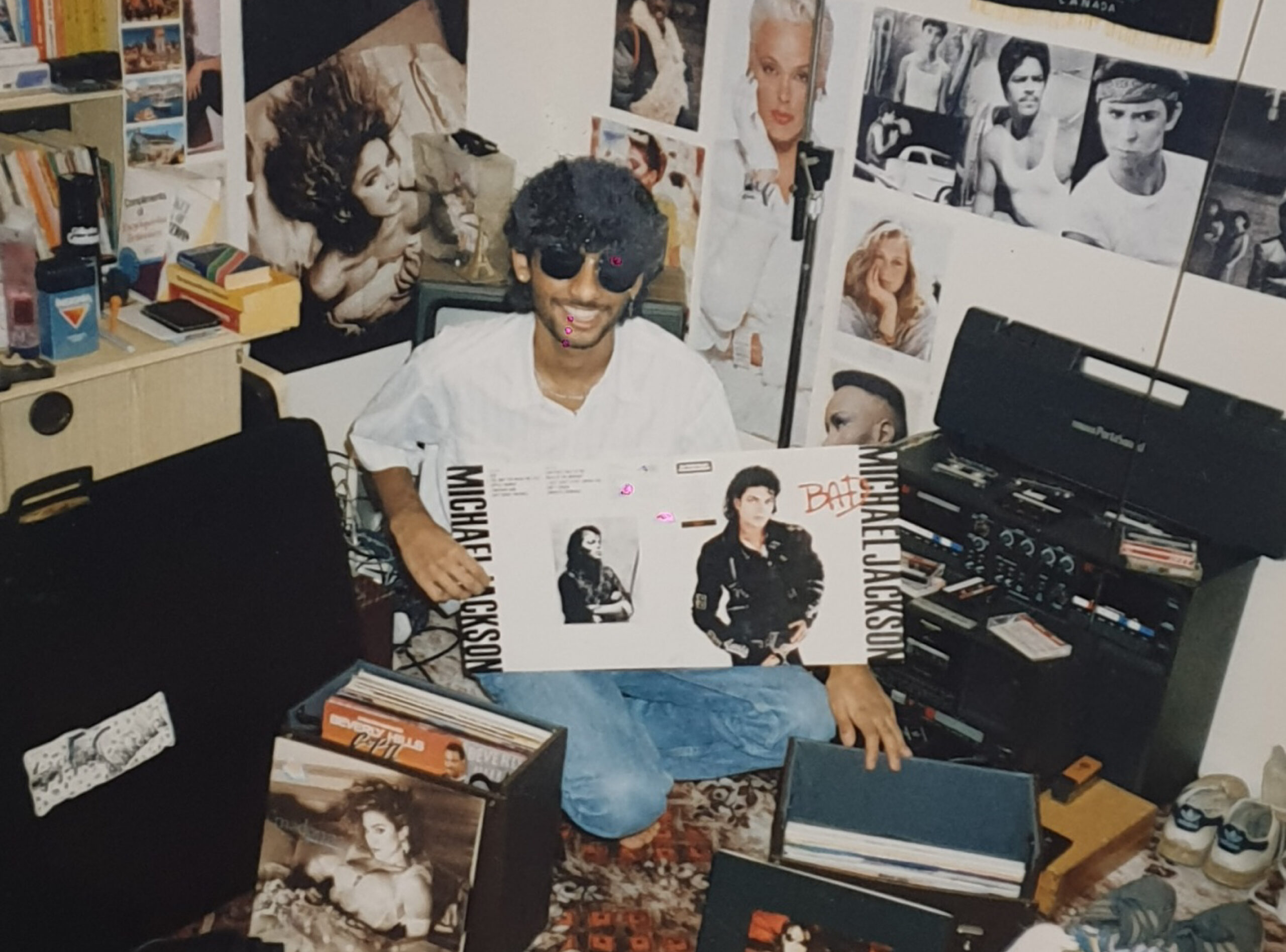
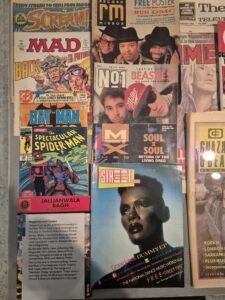
One started in the late 1970s, early 1980s when, as a British born, young person of Indian and Punjabi heritage, I didn't see myself reflected on the television or in the music scene. We'd go to the cinema to watch Hindi movies, which are fantastic, but they didn't relate to my British-born, working class background. They were very removed, like fantasies from another part of the world. When I switched on the TV in the 1970s and 80s, all I saw was stereotypes of British South Asians, and so I started to collect images, footage and music which was a lot more nuanced. From the punk scene to the hip hop scene, that sort of fascination continued throughout the 1980s and over the last four decades I've managed to accumulate quite a comprehensive archive of posters, leaflets, VHS, recordings, music; and then it just expanded into jewelry, clothes, passports, books, and magazines. What's really interesting is, there are very specific South Asian stories within this collection, but there's also very generic stories of growing up in Britain as a teenager as somebody who found a profession within the creative industries in the 90s. There's a part of my collection which can connect to anybody, resonate with anybody, irrespective of ethnicity or race. That's really important to stress.
Then about 30 years ago, I had this idea, and I shared it with a friend of mine after I just finished DJing at this festival for young people, part of the National Youth Theater Festival in Loughborough. One of the reasons why I felt an urge for this particular idea was because when I was DJing, I looked out into the audience, and I didn't see any South Asians. I just saw hundreds of young white people. And I thought to myself, we're rarely represented in these spaces, whereas I'm in them, but there's very few of me. So I had this idea of creating a living museum of South Asian stories, and about five years ago, in partnership with Coventry Artspace, I went to them and I said; “I've got this archive, and I would love to build this museum in Coventry, in an area with a high population of South Asian communities.”
We got some Heritage Lottery funding, and we commissioned artists. We made a film. I cataloged objects from my archive, and that became the foundation from which I had two exhibitions in a smaller space, the first one was called What We Wore - Stories of South Asian Textiles, which looked at the political, the social, the cultural stories behind South Asian garments, and the making of garments, the upcycling, the repurposing, looking at all the different countries in South Asia, which are very specifically India, Pakistan, Bangladesh, Sri Lanka and Kashmir. We were looking at the pink saree revolution, where women wear pink sarees in India to fight domestic violence, we looked at the transgender community. We looked at young girls who reclaimed the sari, and they would go skateboarding, wearing the sari. It's all about these very nuanced stories beyond the usual narrative.
My next exhibition was called Protest and Identity, which looked at the story of protest and identity from our parents' generation who first migrated to the UK, and the story of growing up in Britain as a British born Indian, and what that looked like in terms of belonging.
The current exhibition is in partnership with the Herbert Art Gallery and Museum, and that is an epic exhibition, and I've used my theater making experience to make this a very dynamic and immersive experience.
I think what you said about nuance and about representing communities beyond the monolith that sometimes society can impose is so important. I like how the exhibition challenges these monolithic identities and stereotypes.
"My work doesn’t play into stereotypes; it focuses on visibility, identity, belonging, activism and politics through music, film, protest and community."
I’d love to know more about the curation process, and the community involvement, the people whose stories are collected in the archive, how did they help you in building the archive?
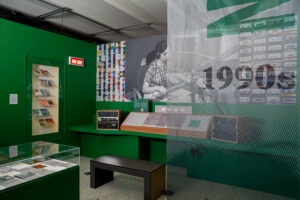
What I wanted to create was a blueprint for this building based, living museum of South Asian stories. I wanted to create this dynamic, immersive space where people are stepping into different worlds, from the 1960s to the 1990s.
We sourced objects from two archives. One is the Stories That Made Us archive, my archive. The second archive is my father's archive, the Virk Collection, which is held at the Coventry Archives. That is really the story of the migrant community that came to Britain from the 1920s and 30s, up until the late 1990s, and that is photographs, membership cards, documents, posters. His archive really focuses on activism, anti-racist movements. He was a member of the Communist Party of Great Britain, he's got all the early documentation of the Indian Workers Association, including photographs. There's all these sort of DIY posters about how the gay community’s struggles are very similar to the Black community’s struggles, and how we should all come together to fight a common enemy. So bringing together two very distinct archives was the source material for this exhibition.
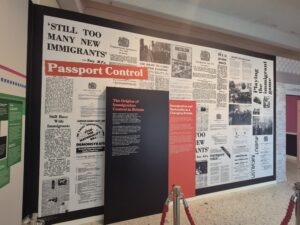
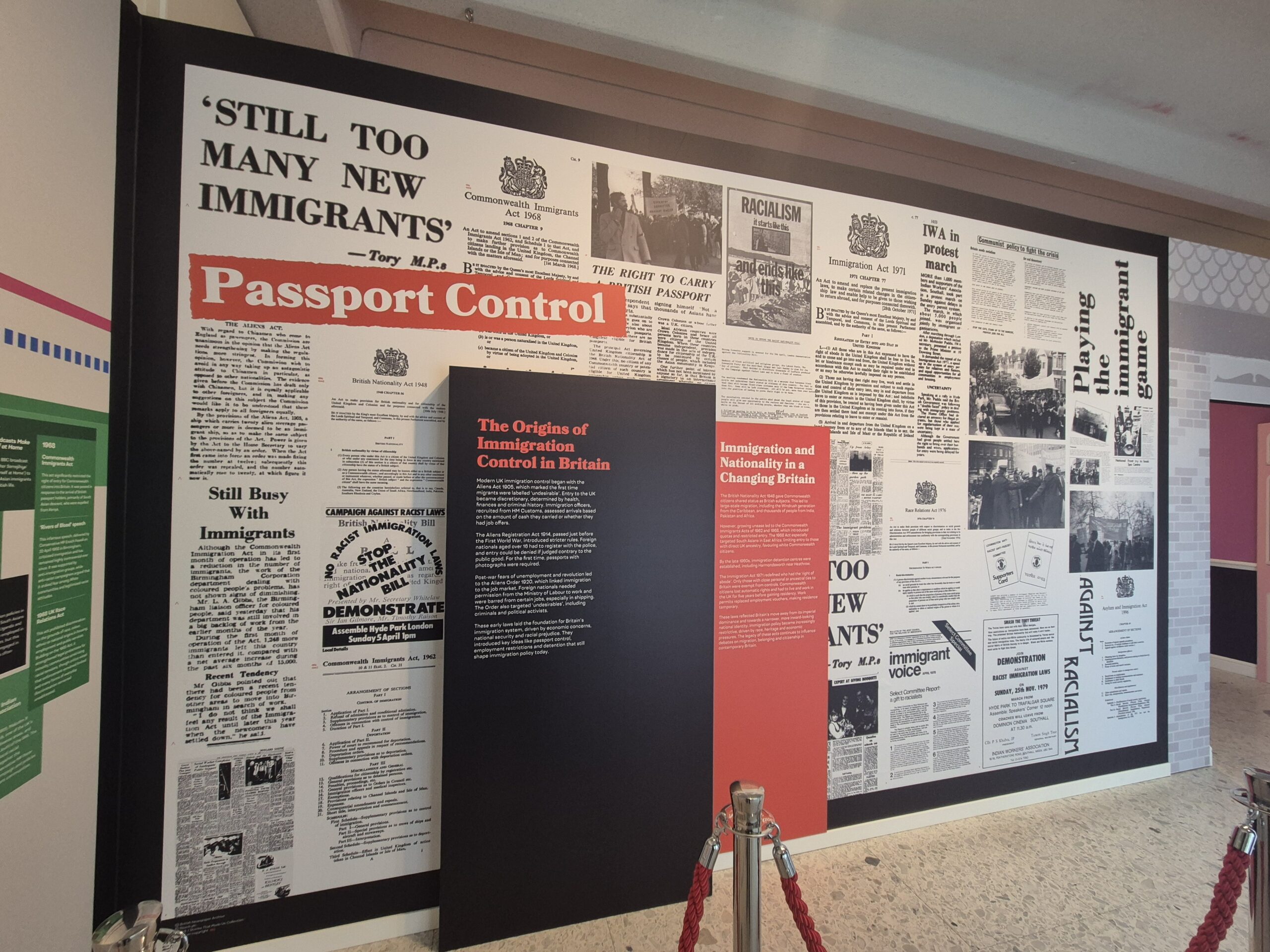
The first thing I wanted was for visitors to walk through the passport control room. I wanted people to feel like they're in a new country, a country they've only heard about in the news or on the television or on the radio, and to some extent, particularly Commonwealth countries, a country they will be asked to come into. But once you arrive, you don't feel welcomed. In all the room settings, we've used photographic and VHS footage as evidence as to what it looked like. We've built a passport control room from Heathrow Airport in the 1960s, so that's what people who first arrive come and experience. The hostile environment begins when you arrive, and on the left hand side, you've got these massive graphics, depicting the headline news of the day. You know, “Immigrants are not allowed, go back to your own country”, that sort of rhetoric. You've got evidence of all the legislation that's been put into place to stop new communities arriving into the country. It's this really unfriendly environment which museum visitors step into. Now what's really interesting is, I wanted everybody, regardless if they were born in this country or if they're a new arrival, to experience exactly the same thing. And I wanted that experience to be resonant with how people feel today, you know?
So even though this is a period piece set in the 1960s, people, refugees, migrant communities, immigrant communities, still feel the same sense of anxiety when they first come into this country. I wanted everybody to feel that.
In this context, he's there amongst his comrades, planning the next anti-racist protest, listening to music, reciting poetry, and drinking Johnny Walker whiskey. It's the environment where these men got together, and that's the Resilience part of the story. To really animate that space, we commissioned Manjinder Virk to make a film based on these ideas, and she's made that film, and it's very rich in color, very cinematic. There's monologues by my nephew and niece because that room is seen through the eyes of the children; us, me, my siblings, seeing my father and his comrades in that space, as we remember it when we were kids in the 1970s.
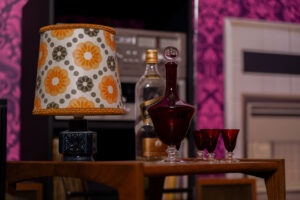
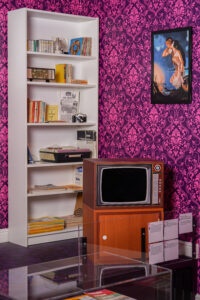
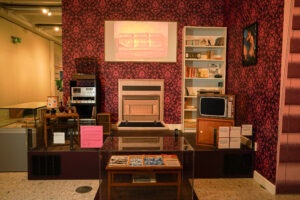
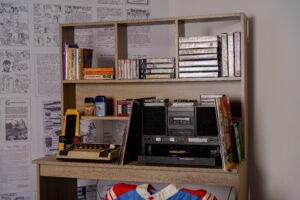
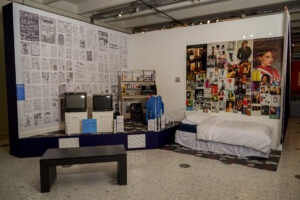
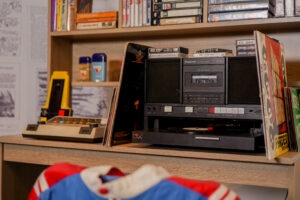
Then you step into the bedroom, which is my story, and that story is very much about growing up in Britain in Eighties Thatcher's Britain.We also commissioned Manjinder Virk to make a second film that was very much about how we are intersectional.
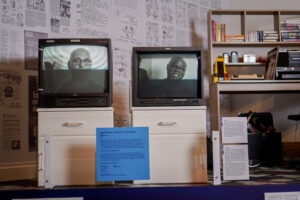
That was very much about friendship, relationships, the music we listened to, the films we watched. This film features interviews with me and my working-class friends: Alexia Deaville (white woman), Dean Hanley (white, gay man), and Jeff Anderson (Black man). We discuss our diverse identities and teenage years spent in my bedroom.
The film uses 1980s VHS footage of us in my bedroom, and that’s also part of the Representation stories in the show. I describe a 1986 racist attack on me and its psychological impact, something my friends were unaware of at the time. We discuss how the poor handling of the attack by the police and school, where racism was normalized. and other violent experiences shaped us into who we are today. All these stories are shared in these very immersive environments.
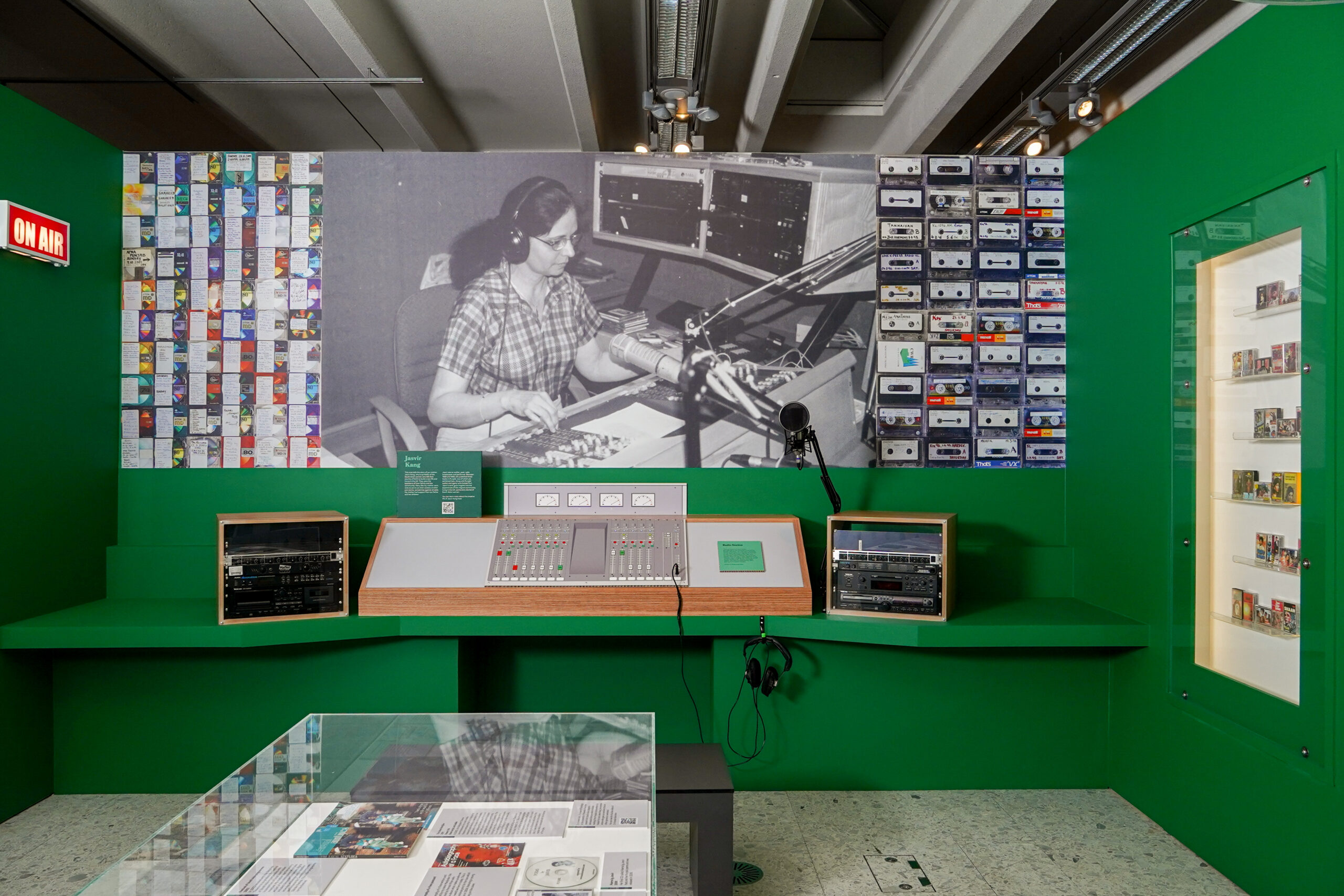
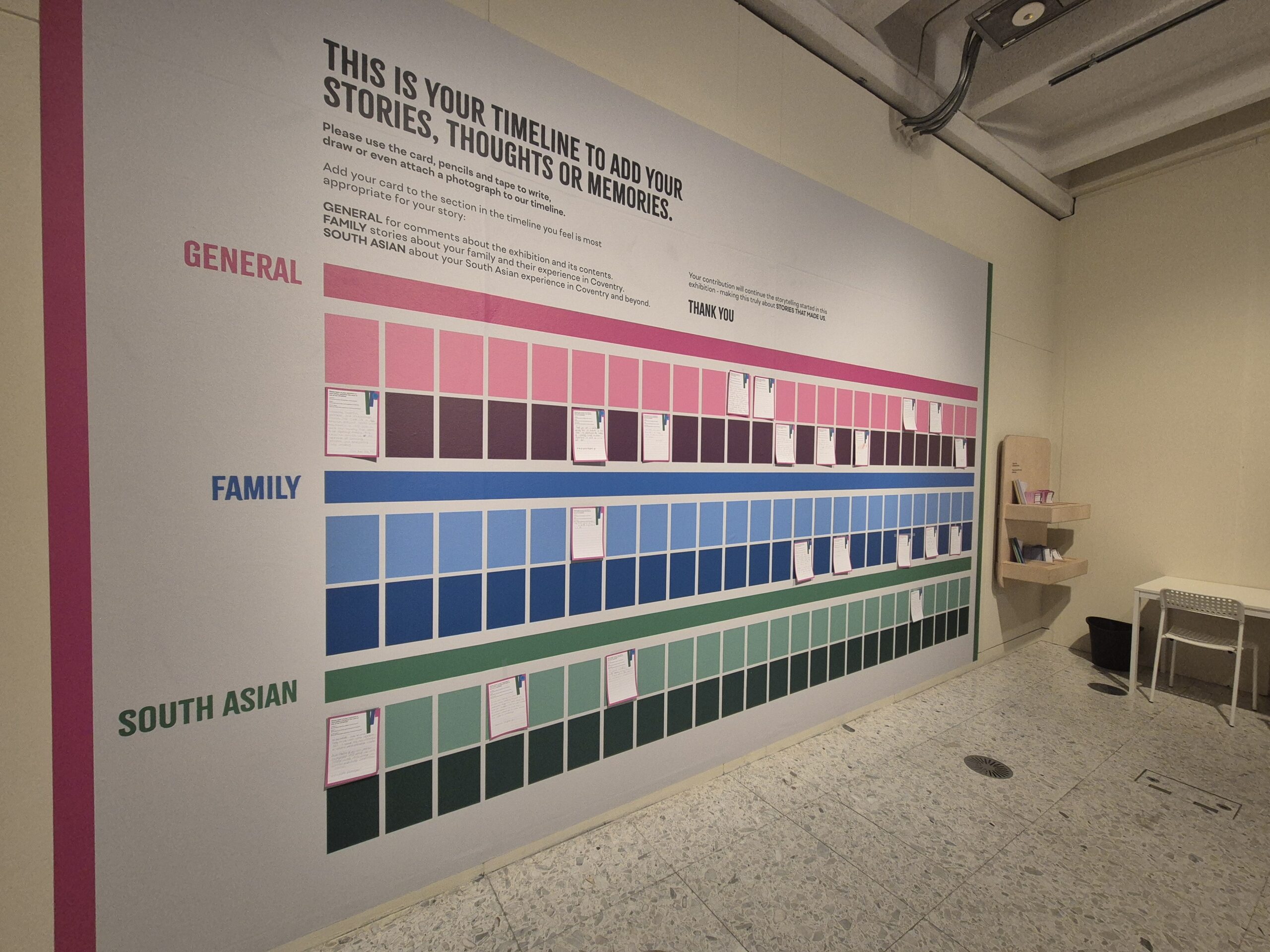
Then you walk around the corner and step into a radio station that tells my mother’s story, Jasvir Kang. She was a Punjabi poet, writer and radio broadcaster, and we’ve commissioned both voiceover artists and her own grandchildren to recite her work in English. You put the headphones on and listen to her radio show - her conversations, jokes, thoughts on life and music. What was really interesting was how she reached women who were isolated at home; the only point of contact they had was her voice, creating a sense of solidarity. She also spoke openly about women’s rights, domestic violence and femicide in the 1980s and 90s, which was groundbreaking but also led to criticism from her own community for being too outspoken. The space is immersive, leading into a final reflection area where visitors can share their own experiences.
It's so interactive and inclusive of different people within the community! I relate a lot to what you've said; as someone who came to the UK during Brexit, I'm still trying to find my footing after six years. I can definitely relate to a lot of the stories that you've shared.
I’d like to respond to that, because the other thing is, I want people of all ethnicities and all races and all generations to find their own story. In this exhibition, my family story and the South Asian narrative is a catalyst for people to then find their own story. We've had white, black and brown people, you know, five year olds to 80 year olds, all finding their own story. We can all relate to it. We can all relate to identity. We can all relate to belonging. Most of us can relate to migration. We can relate to all these different stories. So it's not an exclusive story, it's definitely a global story.
Talking about archives and art in general, what do you think the impact of archives is - especially on young generations?
To me, archives are evidence. Evidence of not making the same mistakes and not reinventing the wheel. There are many young South Asians in this country who don’t feel they belong, especially when they’re told they are just guests or that their parents will be sent back. Through these archives, we’re showing that we’ve been here for centuries and have contributed to every facet of British life - from politics and science to culture and business. By evidencing this through objects, stories and lived experiences, it locks down our presence and allows young people to say, “actually, I do belong here.”
It’s also about knowing each other’s history. Conversations around race, equality, anti-racism, feminism and queer movements have been happening for decades, this is nothing new, and art and culture have played a key role in that. There’s a lot more that brings us together than separates us, and that sense of solidarity is important. We’ve had nearly 400 responses in the reflection space, many saying “I’ve learned something new” and that the exhibition has made them proud of who they are - whether that’s British South Asian, Pakistani, Punjabi, Bengali, Muslim or Sikh. That shows how deeply it resonates, particularly with young people.
I agree on archives being evidence for not repeating the same mistakes. It’s terrifying how some of the stories you shared from your parents' experience are so similar to what different communities are still experiencing today. So it's crucial that we keep on documenting these testimonies. And I think one of the most powerful things about art is the capacity to cultivate empathy, and the more empathy we nurture today, the more we will be able to embrace both our similarities and differences.
I was wondering if you have a story, an object, or a memory from the exhibition that was maybe shared by someone else, externally, from your family that you really relate to.
Yes, my cousin Lakvir Sandhar came from Canada last week to see the exhibition. He video called his mother and took her on a tour, and she was crying because she could see the journey of my mother in it - different geography and lived experiences, but the same journey of finding a home in a new country, navigating family politics and facing racism. As a Canadian-born Indian, my cousin also related to the different room settings, the bedroom in particular, recognising those shared experiences of growing up to migrant parents and balancing two cultures.
I sit in the reflection space at the exhibition in case visitors want to speak with me and recently someone of Indian heritage, born in Kenya, told me that while he thought his parents were liberal, mine were beyond that. He pointed to two stories in the exhibition .One was in the late 1980s, my mother walked into a tattoo shop and got herself a tattoo of a snake on her ankle. She didn't care what the community would say, and that led to me getting tattoos, and I've continued getting tattoos throughout my life. My mum was the one who first took me into a shop in the mid 1980s to get my ears pierced. Normally in the 1980s in particular, your parents wouldn't even let you do that, let alone encourage you to proactively do that.
Another story is from 1989, when I had a sound system in my living room and we’d throw house parties while my parents were upstairs. The police came because we were too noisy, and my father told them we were just young people having a good time. He then sat us all down - about 30 of us, 18 years old - and said, “I don’t mind you partying, just keep the volume down,” before going back to bed. That kind of openness was rare. Friends would come to our house late at night without question, and it created a space that was not only liberal but accessible. It’s something many people say wouldn’t happen today - and while there are universal themes, the story is also very unique.
I love the story of your mom getting the snake tattoo, and bringing you to get your ears pierced, that's amazing! Do you have a favourite memory of you in your youth?
There is an interesting one, actually, which is how I got into DJing.
I went to see De La Soul touring 3 Feet High and Rising at the Hummingbird in Birmingham in 1988 or 89. The DJ played Julie Andrews’ Sound of Music in a packed hip hop club, and we were all confused - until he dropped Rebel MC’s Street Tuff and mixed the two. People started jumping to Julie Andrews with a hip hop beat, and I thought, this is fantastic, you can make a new sound using two completely different records.
The next day I bought two turntables and a mixer and started experimenting with musicals, TV themes and nursery rhymes over hip hop and break beats. That led me into DJing, then music production, and eventually into a recording studio with my first hip hop band in the early 1990s, sampling everything from 2001: A Space Odyssey onwards. It took me from enjoying music to participating in it, and showed me that working in the creative industries is a possibility, you just need the entry points.
I found those through places like the Belgrade Youth Theatre in Coventry, and later by going to Toronto, where I was in The Dream Team (1988) with Michael Keaton and Christopher Lloyd. It taught me that you have to work at it, but also that opportunities can come from unexpected places.
That stayed with me. I later ran DJ, music and video workshops for young people from working-class backgrounds who didn’t see themselves in the arts. Years later, many of them were running businesses or playing festivals. It’s about giving people the tools and showing them that they can do it.
You are obviously a very multi-faceted artist. How did you combine all of these different elements of your practice as a young person, and how do you still combine it today in a world that seems to want artists to be increasingly niche down?
Yeah, it’s interesting, because I’ve always combined different artistic elements. I set up a multimedia theatre company in the early 90s, around 1992-93, called Multi Arts Nation, which was about bringing different art forms into one space to tell a story. Our first production, which toured in 1993, brought together visual arts, set design, contemporary dance, video and a live DJ, all responding to themes of identity and belonging across sexual, social and political contexts. I directed the dance, film and DJ performance, writing separate scripts and synchronising everything into one live, immersive experience.
For me, it was never one or the other, it was always about bringing artists together. That approach continues in my work today. In this exhibition, we’ve brought together graphic designers, illustrators, filmmakers, theatre makers, technicians, archivists and exhibition builders, including Ayesha Jones, who photographed the project and made a film shown in the reflection space. I rarely see anything in isolation, coming from a multidisciplinary background across theatre, film, heritage, visual arts and more, I’m always looking at how things can work together. It’s about bringing it all in, then focusing and editing it down.
You definitely span the whole 360 degrees of art! That's great, I think more young artists need to hear this. They need to know it's absolutely possible for you to have a successful art practice without limiting yourself.
Going back to the exhibition, I was wondering what will come next. Are you planning to expand it and explore how it is going to live on?
This exhibition was a blueprint. I’m having conversations with various parties about securing a building in Coventry, ideally a large warehouse where we can recreate the exhibition on a much larger scale. Within that, we’ll have a research and development space for those who want to create their own living museums and learn about archives, as well as an academic space. We’ve already had students from Coventry University and the University of Warwick coming to learn about archives and curatorial practices.
I also want a health and wellbeing space to support people living with dementia, loneliness, isolation or depression, potentially linked to a communal café where people can share their memories. We want to make it a community-centred living museum. There’s a strong demand for this, not just from South Asian communities, but from many marginalized groups who are rarely heard in mainstream spaces. With 20-25% of Coventry’s population being of South Asian heritage, these stories are not reflected anywhere to that extent, so this would have real impact at a city, regional and national level.
The other thing is that the exhibition isn’t tourable in its current form because it’s static. So we’re looking at building a flat-pack version that we can take across the UK, particularly in areas with high South Asian populations, and also internationally - to places like Toronto, Vancouver, and potentially India, Pakistan, Bangladesh, Sri Lanka and Kashmir.
That feels like a more achievable next step alongside the longer-term ambition of the living museum.
I have one last question for you, one of my favourite questions to ask, which is, if you could choose one object from your youth for you to donate to the Museum of Youth Culture, what would that be?
Oh, this is a hard one! Okay, I didn't talk about this, but actually I used to make zines in the late 1980s/early 90s, very political, very much about the popular culture of the time, the bars we used to go to, the clubs we used to go to. I’d write about the businesses that we're going to boycott. It was very Greenpeace and socialism focused, anti-establishment, anti-monarchy, anti-apartheid, anti-nuclear. So I would donate my zines, because they speak very specifically about me, and also about growing up in Coventry at that time, I've still got them.
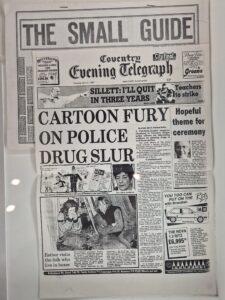
There's a lot of illustrations in there and cartoons, and our graphic designer blew up the zines and made it into wallpaper in the bedroom. Looking back on it, I'm like 18 years old, and some of the language is very much an 18 year old's language, angry and political. You know, I would say I might agree with the sentiments, but I wouldn't say it the way I said it back then, because it was very like, you know Prodigy with Firestarter? Very in your face! Also, I love horror films, so there's elements of that in the zines. There's a lot of blood and gore and guts and things like that.
That’s incredible, you should definitely send one to us, I think we would love to read the zines! Thank you so much for taking the time for this interview. I really enjoyed hearing the stories that you shared and hearing about the exhibition as well, it sounds fantastic!
More information on Stories That Made Us - Roots, Resilience, Representation can be found via this useful link.
You can find Hardish and support his work on his Instagram.