Melanie and the Miner's Strike
Discovering a stash of her mum's old photos under her bed one Christmas, Victoria Gill uncovered an evocative story of the teenage experience during the '84-'85 Miner's Strike. Having just turned 18, Melanie and her friends are living their teen lives against a backdrop of the ongoing strikes. Victoria sat down with us to discuss how the book came to be.
By Lisa der Weduwe | 10.09.25
Can you talk about first coming across the photos your mum took? What was that process of discovering her archive?
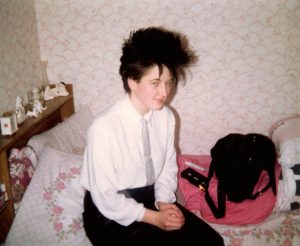
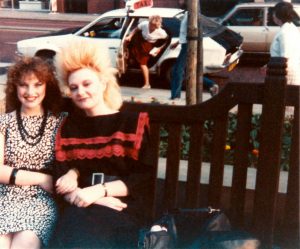
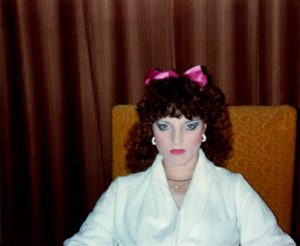
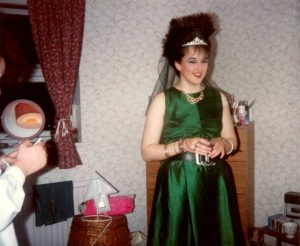
I'd seen pictures of her and her friends in the 80s before, here and there, and I'd obviously heard stories. When I was home for Christmas this time, I found two photo boxes underneath my bed. Long story short, my granddad was moving house and they must have been in his loft for all these years, and they got put underneath my bed. It was picture after picture of this very particular time - ‘84 when my mum had just turned 18.
They are these really old school style photo boxes, and they slide out. It was two of these, and they were so full. I was going through it, going like Oh my God! And that was the first encounter.
It's a really amazing collection to uncover. We have the Grown up in Britain campaign where we collect public submissions and we ask people to pull out their shoebox archives. These are photos that tend to stay within the family, but there's actually really rich cultural history there.
How was that for you, seeing photos of your mum at that time, but also understanding the historical and cultural context, and those two things sitting side by side?
I'd seen pictures of my mum and her friends before, but I think I probably didn't register the importance before. My granddad was a miner and I grew up with stories around him. I feel like I’m at the age now where I saw value in them - when I saw those photo boxes, I instantly saw value in the images. In terms of representing Leeds but also the notion of cultural capital.
I remember taking them downstairs and being like, Oh my God! None of my family really thought too much of the images. My mum’s just like, Oh, me and my friends. But I remember being like; no, these have value that's bigger than my mum, bigger than the family or my mum's close friends reminiscing. I think they can show something of Leeds that's bigger than that. I had to get that initial feeling and I think that if I'd found them years earlier, I don't know if I would have thought that.
There's so much stuff that stays within families or particular environments. I'm always interested in work outside institutions, or where work takes place, so I think I was already thinking about those things.
"My mum spoke about the strikes growing up a lot, but in regards to the images it was very much like we'd left school, this was our escape, our weekends, our nights. There's a real class solidarity in the pictures, because everyone's working class, so it's like this joint acknowledgement of this is going on."
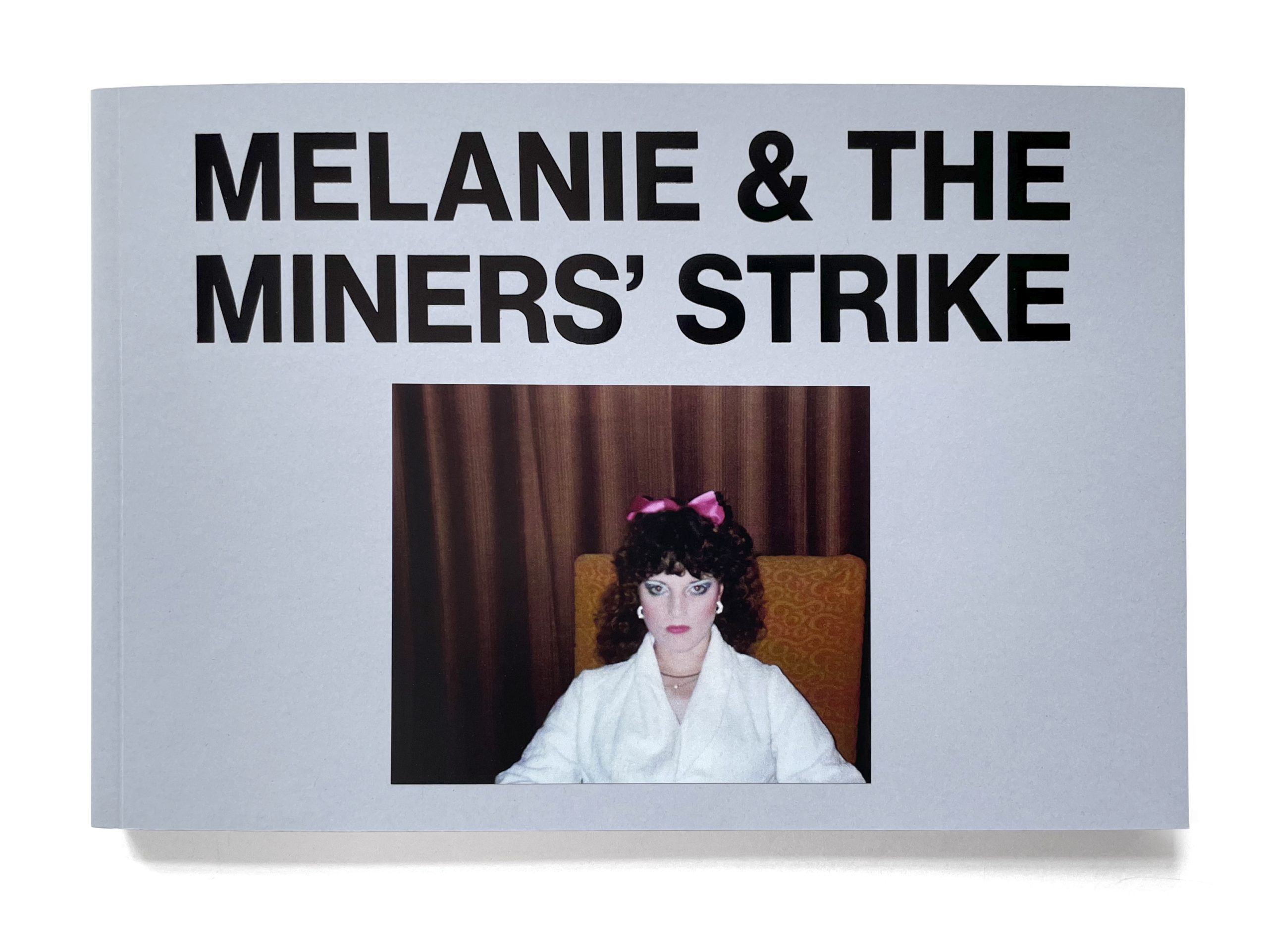
The title is Melanie and the Miner's Strike. It's quite interesting, because none of the photos are about the Miner’s Strike per se, but it's such a huge cultural moment if we think about 1984 and the North. Can you talk a bit about that and why you framed it in that way?
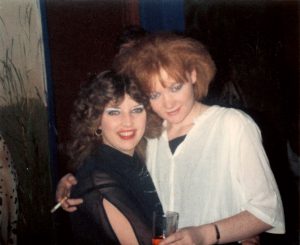
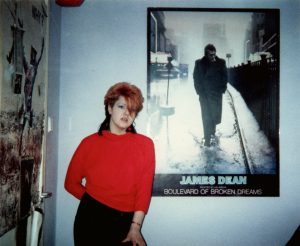
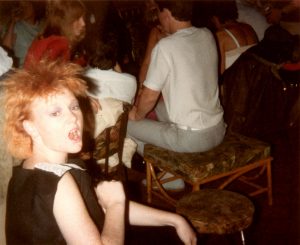
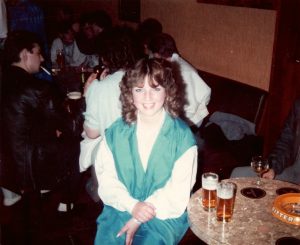
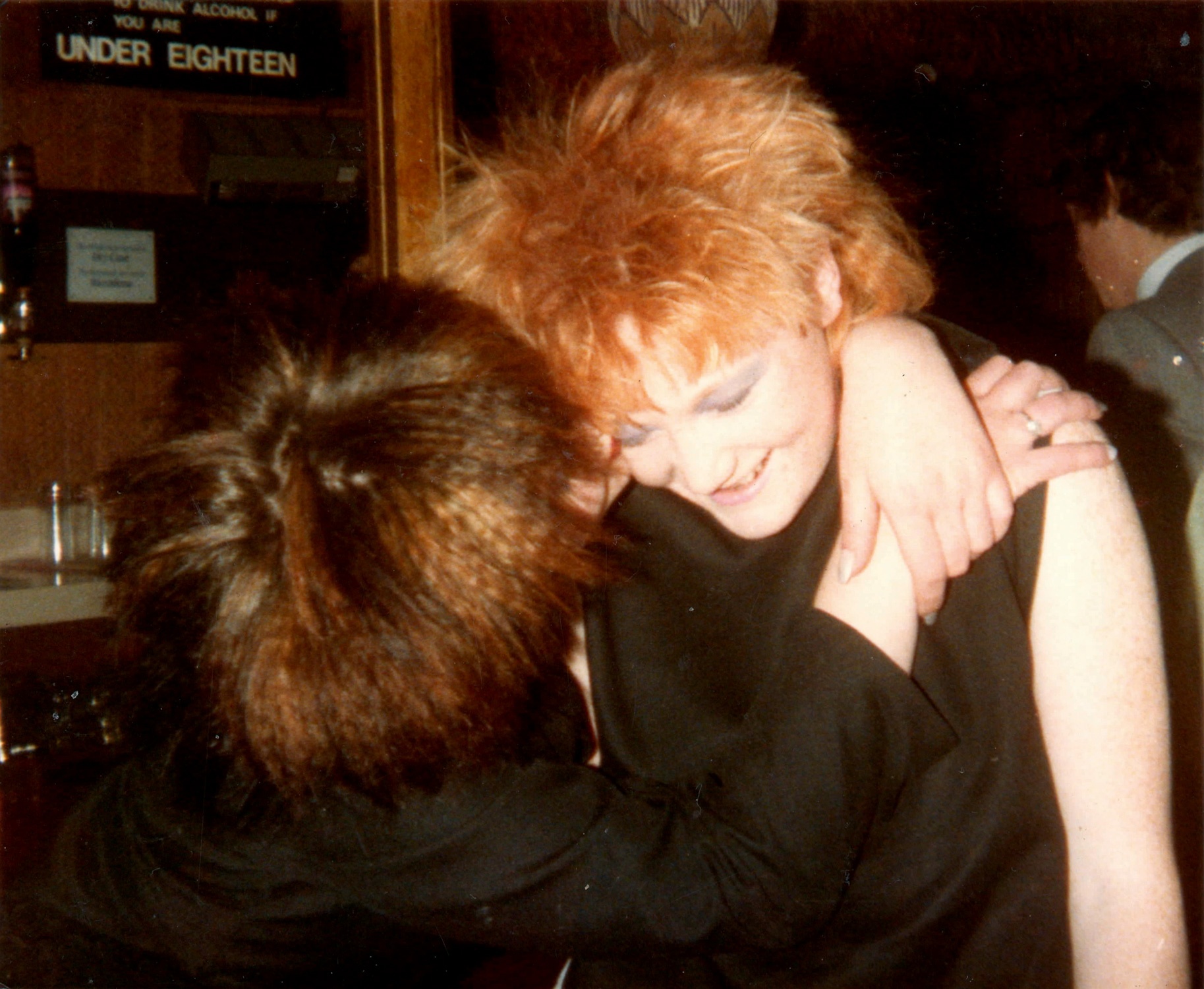
I work conceptually, so it's always the idea first and then the mode and how it's gonna be presented comes after. Initially I was just interested in this juxtaposition of the Miner's Strike and then these images of kids partying. It’s not pictures directly of the strike. But that’s the point. This is working class kids and this is going on in the North and this has been a crucial part of history growing up. Like stories from my granddad, it's a backdrop of what was going on in Northern England. At the same time we often have this one dimensional view of Northern England. So you think you're getting one thing and then you see something different.
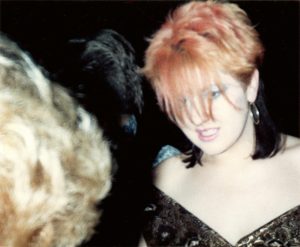
I wanted to address the strikes in not so much of a direct way, get a different angle on it, than say the stories I heard from my grandad. One is not more important than the other but as much variety in experiences we can get of a time, I think the better. I guess that’s how you piece histories together. I wanted people to have that juxtaposition and that was important to me. My mum spoke about the strikes growing up a lot, but in regards to the images it was very much like we'd left school, this was our escape, our weekends, our nights. There's a real class solidarity in the pictures, because everyone's working class, so it's like this joint acknowledgement of this is going on.
Social history gets told through these really big social, political, cultural moments that are benchmarks that everyone knows about and that we always refer back to. But actually, what you forget is that within that daily life continues, and teenagers are still teenagers turning 18, being able to go to the pub properly for the first time. And it's bringing it back to that celebration of community and coming together, and as you say, that solidarity as well.
How was it pulling the book together from those boxes and the process of making sense of it all?
From start to finish, just to be brutally honest, I definitely didn't think I was gonna do a book. I keep going back to this. I was tied to the title and the images.
I've done quite a lot of DIY Art things and I was like I'll probably do a project here. But I was like, right? It's gonna be my same friends who see this and I don't think the juxtaposition is gonna hit. It's not really gonna do its job. And I was like, it could be in a book format. It had to be bigger than me and my group of indie artists.
I was doing some admin at Reference Point and flicking through a book, and turned to the back and saw that it happened to be published by IDEA. I thought oh, let me email them a couple of pictures, and the title: MINERS STRIKE. Obviously didn't think they'd respond. They were like where are you based, can you come to the office with the pictures? From that first meeting, they went through the photo boxes and then we started from there.
There was a few months of solid research. Me going back and forth to Leeds, trying to find out who people were in the images. My mum was still best mates with some but had lost contact with other people; people get married and change their name. Also, my mum doesn't have bloody Facebook. So it was trying to find people whose names have changed and whose lives have changed. I’d be like hey; I don't know if you remember, but did you go out with a woman called Melanie 40 years ago? I'm her daughter, can I speak to you?
It was a few months of solid research and that was really nice and fulfilling. During that period it was like we're doing this book, but if we don't get the research and the stories from the main women, the book's not going to happen. So it wasn't full steam ahead. It was this period of research, and then once that was done, it was quite a nice process with Dom designing the book and putting the images together.
How's your mum been with it? Was she just a bit like, why are you making a book out of this?
She was at first, because she's used to me doing these art projects. So she was like, bloody hell. I had a more serious conversation with her before I started the research. I feel like her friends were more excited than she was at first. I think she definitely knew it was gonna exist in an art space, but it didn't feel penetrative to her actual life.
After the launch night, which she came down to in London, at Dover Street Market, it was really fun for her. Then we had a Leeds launch and she got reunited with her best friend from that time and she hasn't seen in like 35 years. Now she's really excited. I'm so close to my mum and I left Leeds at 18, and now I'm 27. She's known that when I first went to uni it was hard to be from South Leeds. She's aware of the class conflicts and so I think she's happy that Leeds gets a little stamp. But at first she was like, oh!
Going through the imagery, putting together the book, doing all this research, is there something that you've taken away from it in terms of how you approach your practice, or how cultural memory is formed?
That's a really good question, and I don't want to answer it weakly, but I think that you can look at a cultural history from so many angles and if you look at it from one angle, it doesn't take away from the other. The images of them partying doesn't take away from other cultural histories, which are more directly of the miners. I've been thinking about that a lot recently, how not looking at the thing itself, it's not a substitute for looking directly but it’s adds more.
Follow Victoria Gill on Instagram @victoriapgill
Buy a copy of Melanie and the Miners Strike via IDEA