

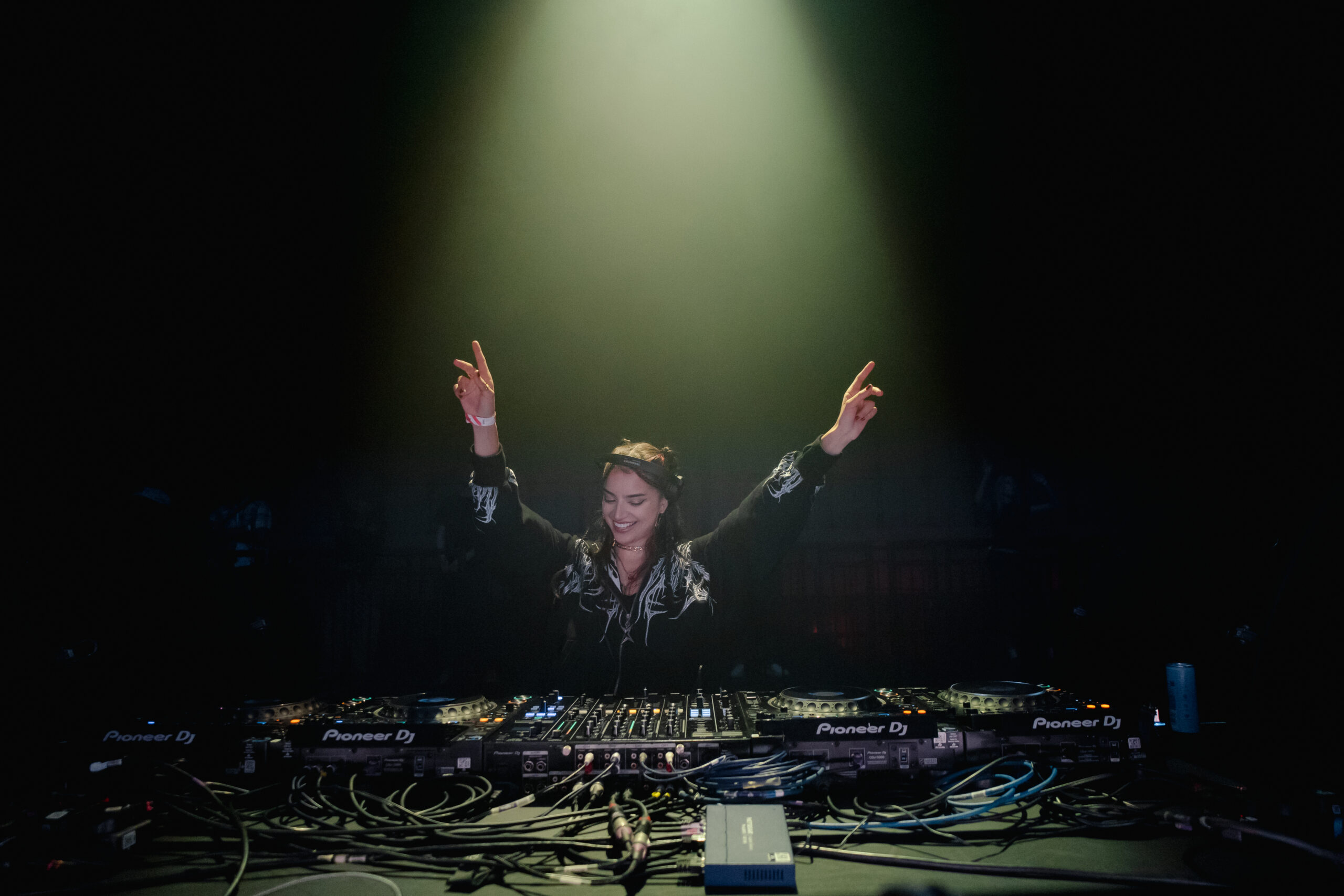
Capturing the new era of dubstep
With Georgina Cook
Photographer Georgina Cook documented dubstep before it even had a name. She took the very first portraits of Skream & Benga at Croydon College, and that archive became Drumz of the South, the definitive visual record of the genre’s beginnings.
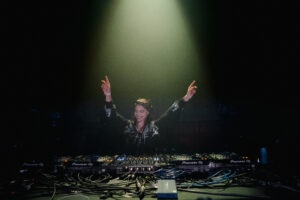
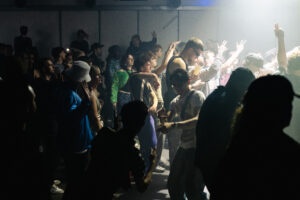
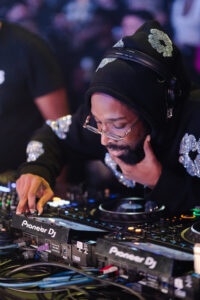
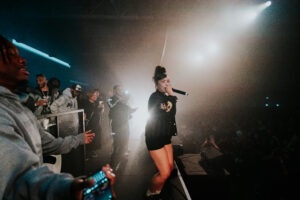
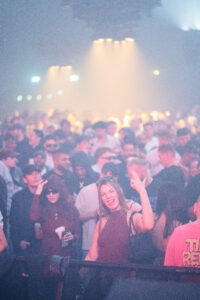
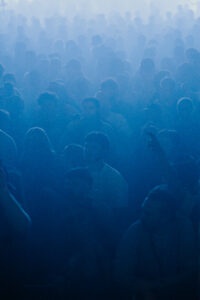
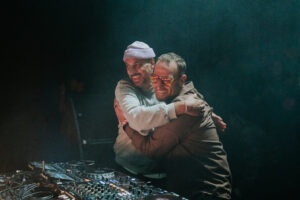
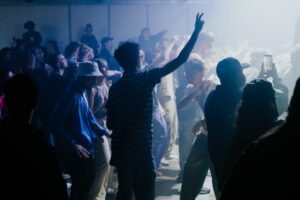
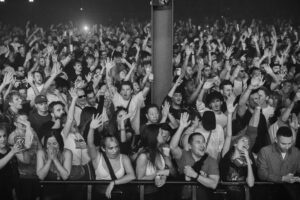
Recently, she photographed the scene again at DIA/LOG, Spotify’s new event series at Drumsheds, celebrating 25 years of dubstep. We caught up with Georgina to reminisce on the origin of the genre, and discuss its new age and evolution.
Interview by Elisa Mazzuca | 18.11.2026
I have such a strong relationship with the archive and am so familiar with it that there's actually nothing I see now that I wasn't aware of at the time. I think this is also partly because, in addition to photographing it, I was also part of the community and wasn't an outsider photographer.
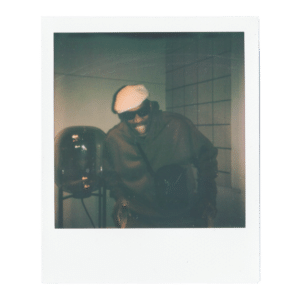
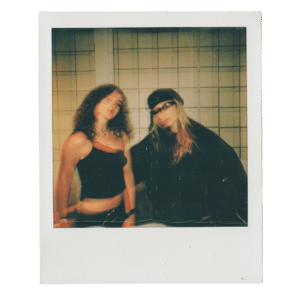
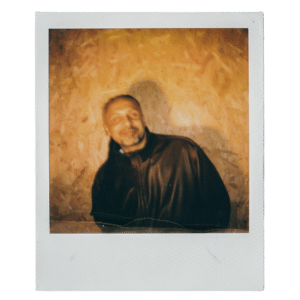
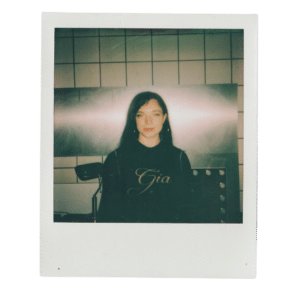
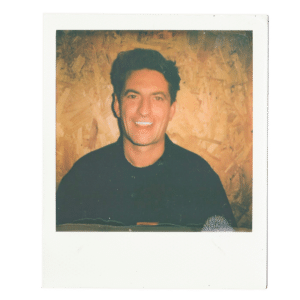
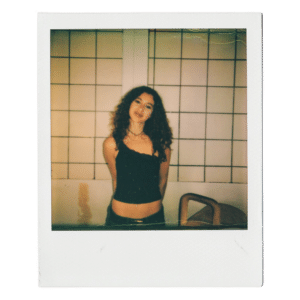
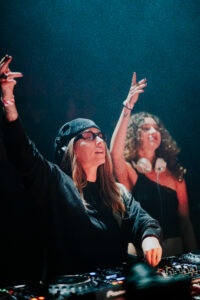
You recently photographed DIA/LOG at Drumsheds, a new series of events celebrating 25 years of dubstep. What was it like to return to the scene after all these years, camera in hand?
It wasn't a return to the scene really, as I hadn't really gone anywhere! My activity photographing dubstep and dubstep related events has definitely slowed down since the early days, but I have still continued to photograph events as well as work with the label GD4YA and publish and promote my Drumz Of The South books! Nonetheless it was nice to be at DIA/LOG celebrating the journey of dubstep since its early days. So much has changed and so much is the same!
The event brought together pioneers of the genre alongside artists from a newer generation. What did it mean to see these different generations sharing the same space, and what changes have you noticed in the way people experience, participate in and connect through music? What do you think has remained unchanged?
Truly the best thing about it all is seeing younger generations not just enjoying and celebrating the genre but contributing to it and making it their own. We all know there's still a long way to go in terms of booking and paying women and non-binary artists as much as men, but nonetheless, I always love seeing how many women and non-binary people are so visibly involved in dubstep and related genres now. We have always been there, but more behind the scenes. Now, women and non-binary folk are increasingly on the decks, on the mic and in the studio making the tunes. I think this has also hugely influenced how DJs "perform" behind the decks - there seems to be a lot more expression and celebration of joy and happiness there now. I also see this on today's dancefloors!
Photography has always played an important role in how history and culture are remembered. How would you describe the relationship between underground music scenes and the visual archives that document them? What can a photograph preserve that music alone cannot?
Speaking from experience, I remember people in Brazil messaging me 20 years ago saying that my photos helped them visualise the new music they were listening to via forums and file sharing websites. Obviously that was a time before today's fast-paced social media. But I think that even in today's highly connected world, really good visual archives can help us see the nuances of the music and culture. For example, the details of how people dress and move, or what they are drinking. A while ago I actually made a podcast with Francis Redman called The Vision of Sound, which explored art and photography about and inspired by music, because I love the connection between the two.
Looking ahead, what stories or scenes do you feel still need to be documented? And what would you like future generations to feel when they look back at these photos of different dubstep eras?
My instinct is to say we should document the things that have fewer eyes on them, or are given less value by wider society than other things. However, nuance and interest can be found even in the most mainstream, highly valued and heavily documented scenes or movements; so perhaps it's more about documenting whatever is on the margins. I'd love future generations to feel inspired to make and contribute to art and culture when they look at photos of different eras of dubstep, in the same way that I was inspired by many of the photographs of music and culture that I was engaging with in my teens.
We Are Your Friends collects Rebecca's photos and contributed stories about Underage Festival in her debut zine. Photos from the zine will be on display through October 2023 at Allpress, Dalston along with copies of the zine on sale.
You can follow Rebecca Thomas here.