Yushy: The Louis Theroux of Underground Raves
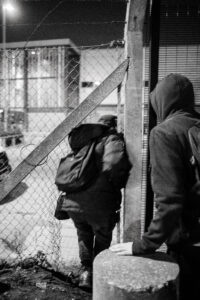
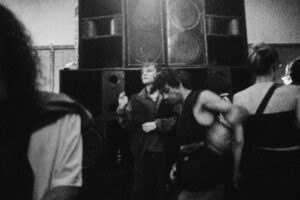
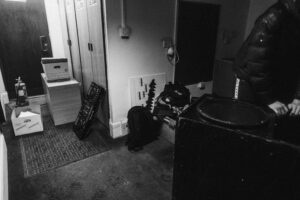
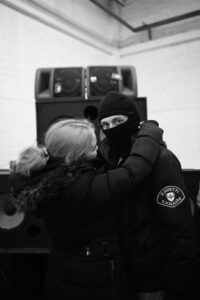
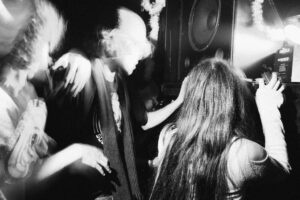
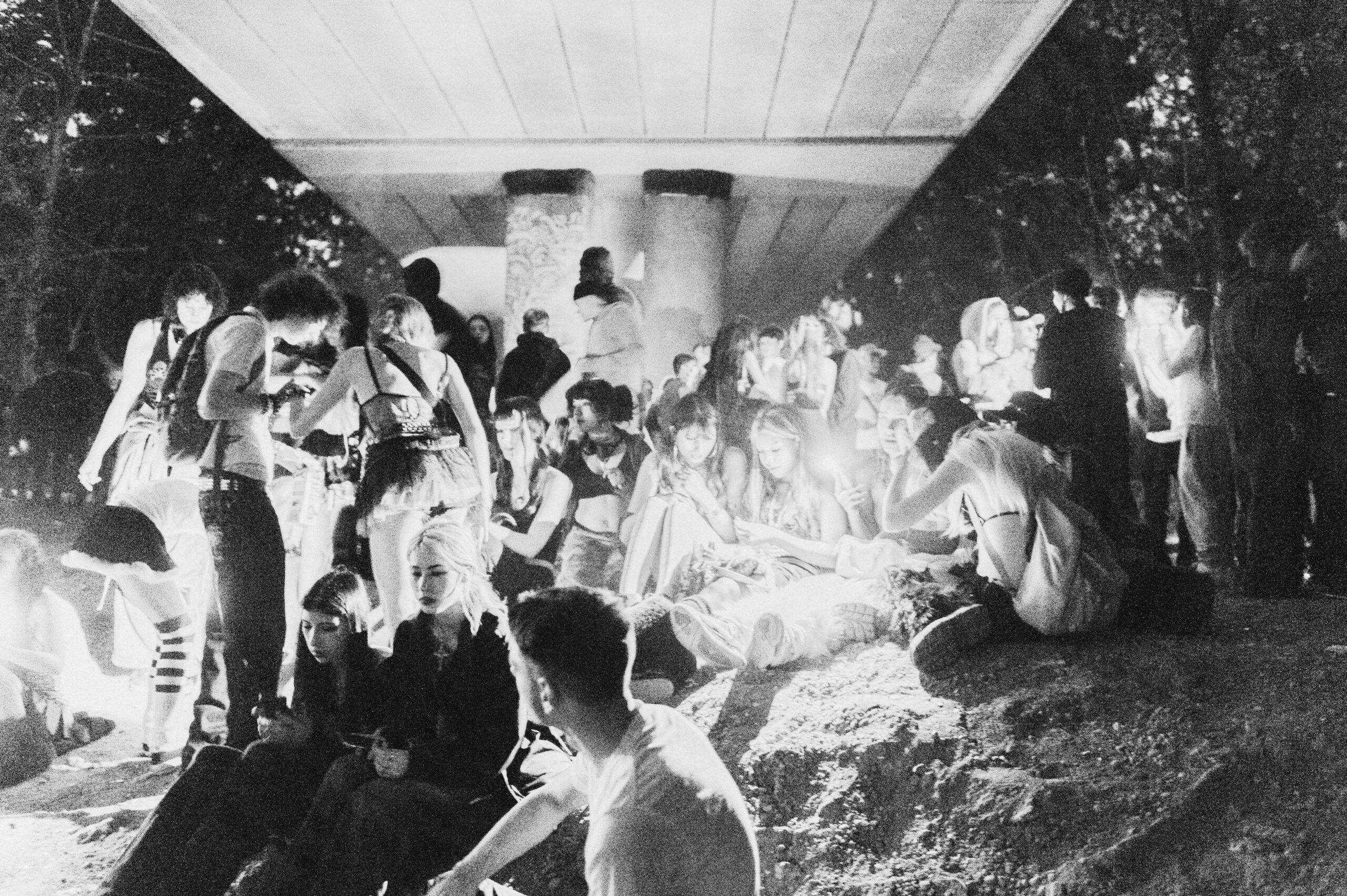
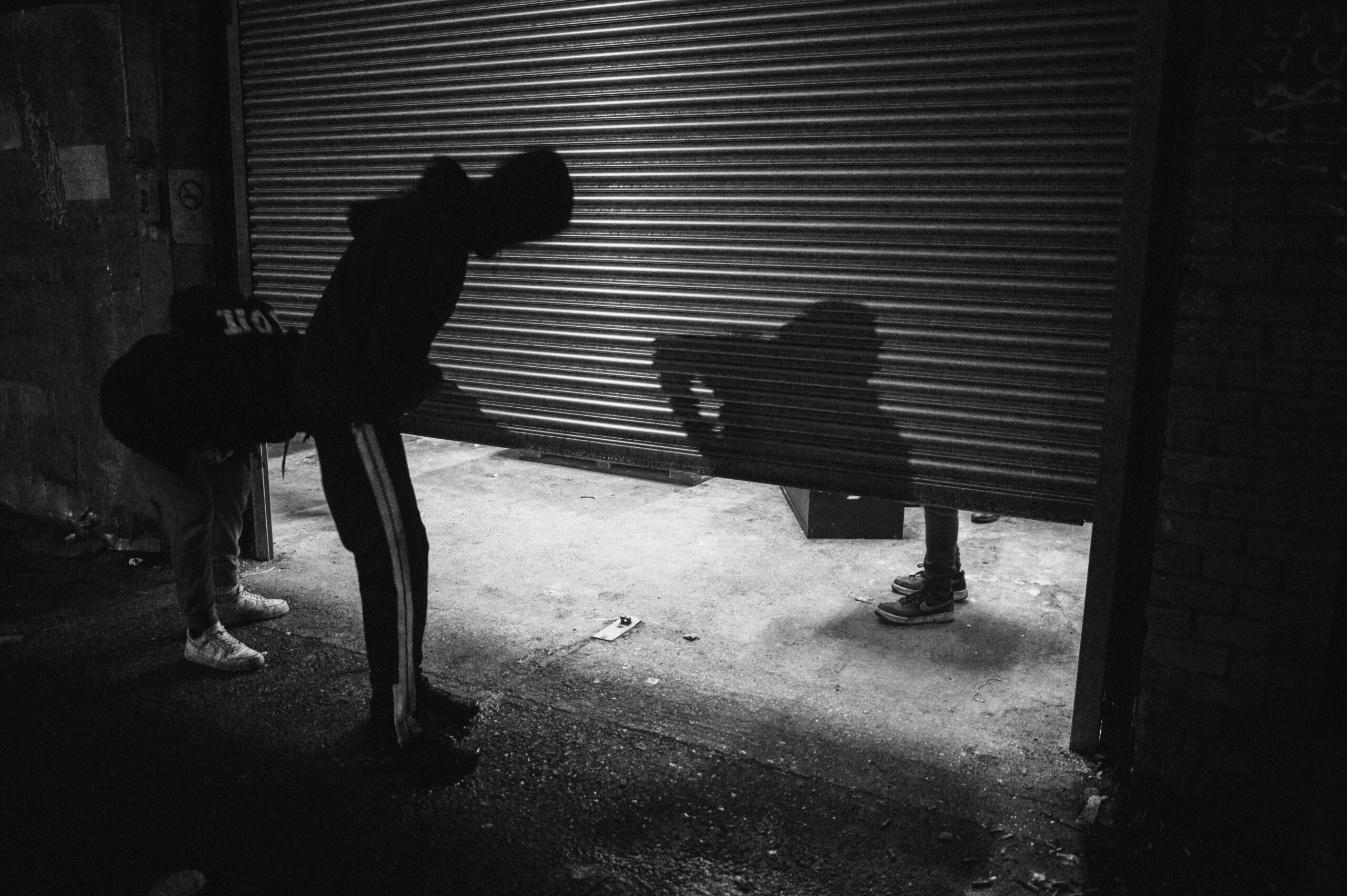
Yushy has spent nearly a decade moving through the edges of British nightlife from Cardiff basements to London’s deepest inner-city underground free parties. His new book, Section 63 published by subculture stalwarts Velocity Press, captures the reality of an off-grid rave culture clinging onto old-school obscurity by transmitting secret locations through late night Telegram pings leading to warehouses with balaclava clad bouncers.
We sat down with Yushy to talk about documenting the sharpest edges of society, finding community in the rave, and what it means to means to stay underground when rave becomes high commodity.
Interview by Jamie Brett | 23.10.25
People often say the photographer always leaves an imprint on what they shoot. What part of you do you think gets imprinted on your work?
I always feel like a bit of a fish out of water. Even though I've been in the electronic and dance music scene for nearly a decade, I still feel kinda alien to it. I’m very fluid in crowds, almost Louis Theroux-esque, just observing, I just let things happen around me, and I just take it in. I’m not one of those photographers dancing and raving all night, it's too much admin for me. I'm there enjoying the music, but in a very calm sense. It's like people are reacting to me, not reacting to them, and then they're just acknowledging me in that space. I’m part of the community, but also quite invisible.
I wondered if there was some rebellion or curiosity connecting you to it too?
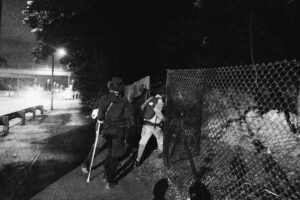
Absolutely. I get curious about how other people express themselves. In my more commercial work with clubs and festivals, it can feel very corporate and clean, like everyone’s trying to look edgy, but the edginess gets lost in these really mainstream events. With this latest book, it was almost the opposite: unserious music in serious situations, with a real sense of urgency and even danger – a sense of like, if you leak out this information, the police will come, and then you will get beaten up. It's that strange and familiar sense where everyone is very, very proactive in keeping the community safe.
It sounds like there’s a sort of ‘army’ mentality where everyone’s vulnerable, but when you merge on the dance floor, there’s a kind of shared bravery. It takes more than bravery to have fun, though - almost comfortability. That emotional progression must add to the drama and make these events even more intoxicating?
Definitely. I think there's a lot of people who will forcefully do a lot of gear to put themselves in that mindset. Others just get through the steps: pay your entry to the guy in the balaclava, get searched, see security and medical staff walking around. You realise you’re safe and among friends. There’s even a chill-out room, proper staff, it's a lot more respectful and supportive than you’d expect,
So it feels really organised, almost like an adjacent, clandestine industry?
Completely. Once inside, it’s its own ecosystem, it almost feels like the Mean Girls cafeteria cliques. There's people who always find a sofa to just roll unlimited joints on. There's people that go straight to the speakers and just put their heads in, which is an awful idea. There's the people there just to dance and enjoy the music, and then people just walk around and speak to dealers.
Do those events give you energy? Or are they draining, just arranging and finding them?
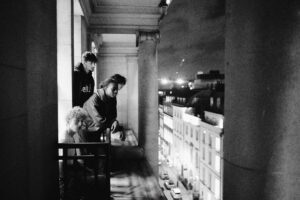
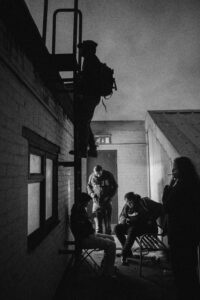
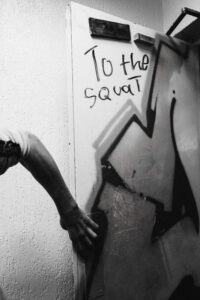
The adrenaline getting into these places is intense. Sometimes you only hear about the event a day or two before. Then on the night, you get vague instructions over random calls or Telegram groups as late as midnight sometimes. It's quite easy to spot somebody who's going to one of these events at like 11.30pm at Paddington Station because they're playing drum n bass from their phone. There’s a whole process of waiting around with other people waiting for the next Telegram message. Then you get there and you’re knackered; sometimes I bring Haribo, or sandwiches, which I once got laughed at for.
That’s very organised, almost German, like bringing sandwiches to Berghain?
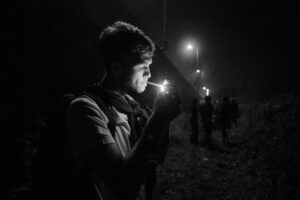
Exactly and sometimes even with the best preparation, someone will leak the info and the police shut it down. I’ve lost entry fees, missed out, but occasionally I still get a really stunning portrait regardless. A lot of people are very helpful and respectful, even when I’m right in there invading their space photographing their drugs. They kind of get what I’m doing. There's real safety in these spaces, especially when it comes to the safety of women and who's dealing what. Some guy had some dodgy pills he was selling. He got like, properly blacklisted.
It’s almost like the dark web, community reviews and group chats create some accountability there.
Right, after an event there are group chats: “This person sold me a dud,” or “He snatched my phone. We know his address because he uploaded his ID to get into the group. So we'll sort them out.”
"I’m very fluid in crowds, almost Louis Theroux-esque, just observing, I just let things happen around me, and I just take it in."
We met maybe seven or eight years ago, when you just emailed in with your work. We hadn’t taken on any new stuff for ages, you were the first in a couple of years. It was before our Grown Up in Britain public submission project which was a real experiment at the time. It’s been amazing watching your path, from student life in Cardiff to now. How did you bridge the gap to London?
It was massive, yeah. At uni, I was getting lots of inquiries about London, and some DJs moved between the cities. I shot Fabric room 3 once, met High Contrast and found out he was actually from Cardiff, and I had no idea. COVID messed things up for a while, but when things reopened, I started shooting at Corsica and then loads of these quite niche dancier clubs, less of the E1 or Fabric I found myself anywhere from like amapiano night to an LGBTQ+ Drum ’n’ Bass event and then finding that niche through the South Asian scene which is very much my culture and how I grew up.
Can you go any more raw? I remember your early submissions of protest scenes, bags of cocaine openly in the streets, EDL style England tattoos. I couldn’t believe you got so close to these people.
People appreciated that I had interest in them. Sometimes they’d ask why I wanted to photograph their drugs, but after I showed them the photo with no identifiable features, just their hands, their friends all wanted photos too. I’m like “I can send it to you” and I do, and a lot of the time that interest is genuine, but it's very funny that people trust me enough to do that.
Your work always feels quite humanitarian and objective. Eight years on, do you think your student self would recognise where you’ve come?
Oh man, in uni I was wearing these flowery, hippie, buttoned up shirts that looked like a Wetherspoons plate, skinny jeans and Air Max’s – I looked more strange than I do now. My style and taste have changed a lot. I was shy and missed so many good shots. Now, if I see someone cool, I ask directly. I always show my hands out right like “magician hands”, it really makes people comfortable. With experience, you learn how to approach different crowds and their hierarchies. 20 year old me would have been quite scared of how I work now.
You’ve matured as a photographer, but still kept your core ‘look.’ Do you agree?
For sure. I started with a wide 28mm lens, a fisheye and a flash. I used the same kit for three years until it broke, I remember replying to a Facebook post of a promoter in uni asking for a photographer. Now I feel better with more understanding about lights and how to move and compose images, but also shooting off camera flash. Now that's all I do. Like how to balance the light sources behind and between overhead lights, and how to get the flash light on the subject, as well as the lighting around all in shot. It's a lot of maths.
Cameras become sculptures in their own right over time, don’t they? Maybe yours will end up in the museum one day!
That would be iconic. When you had the Carnaby Street store, Owen Harvey’s mod portraits got me interested in the museum and its work and was a big influence on my uni work at the time. Gavin Watson’s work really inspired me too, just reading about how he transcended punk, skins, into ravers. He lived through three decades of youth culture.
It’s so important to have you in the museum’s collection. You’re part of a line of documentary photographers post-pandemic.
It's kind of a lot on my shoulders, I feel like I'm standing on the shoulders of giants.
With Section 63 referring back to the 1994 Criminal Justice Act, you’ve witnessed rave culture across its peaks and troughs in recent years. Where do you think rave is going now?
I think we’re at a weird crossroads. You know that meme of matcha and Dubai chocolate? We are in that position with rave. Rave culture has become hyper-commercial like there are Shrek raves, a recent Squid Games rave with Peggy Gou, events in fried chicken shops and corner shops. It’s all about the 360 cam in front of a DJ with a ton of well dressed people. Sometimes I feel to blame because everyone wants this content and I’m part of the machine, it’s all so memeified.
It’s a systematic thing isn’t it. Promoters can’t take risks anymore?
Right, even tickets sell out in advance, promoters can't take risks with niche events unless you buy a season ticket. That creates scarcity and community, but sometimes it’s too exclusive and clubs don’t always know what scenes they’re letting into their events. There's a lot of nuance and hierarchy that just isn't going to be fixed anytime soon.
I went to a Tate symposium back in 2019 and everyone was talking about the ‘Boiler Roomisation’ of rave culture since Jamie XCX’s 2010 council estate roof set. But now that looks tame.
Yeah like even indie sleaze wasn’t a thing at the time, it's just a nostalgia trip now. People are yearning to borrow that Y2K digi lo-fi aesthetic, but without the culture or the community. It’s like “I want to shoot on a camcorder with my friends and listen to Crystal Castles.” Okay, cool.
Sounds like my uni years. As rave gets more commercial, what do you think is coming next?
I think it'll get even more commercial before it gets better. There's DJ sets happening where there shouldn't be DJ sets happening. Like footballers are doing it now, and it's like, oh, cool, you can play football and DJ. Like, it’s interesting to observe, but it's losing all edge. I’m having nightmares of raves happening inside M&S stores.
Absolutely terrifying! After your recent exhibition launch at Farsight Collective, did your perception of your audience change? Are they photography fans, or ravers?
Someone during the opening said, “You're such a big influence" and made me a bit sick. Someone said I was an influencer, and another photographer said “I love your content”, and I think the way people consume the artistry of photography and art in general is flipped on its head, where anything they see online is content. Whereas as a physical book and gallery show, they still saw that as content, because they saw me from an online platform. But I'm not a content creator.
You’ve got your own audience, rooted in physical spaces instead of just digital which is super rare today.
Yeah, and a lot more people are wanting a physical community to be part of. If you can sell like 100 tickets, you can fill a room. You can have like 10,000 followers, but if no one buys tickets for your event, you're not anything.
Anything you want to shout out or mention about what’s next?
I think personally just a shout out to the museum itself. It’s been so helpful to have a physical and digital archive of references - it's basically the best culture library anyone can have, because there's not much out there. It creates trust in people following me to see I’m associated with MOYC.
I love that, that’s exactly what the museum is about. Thanks so much for your time!
Yushy’s debut photobook Section 63 is available for sale over at Velocity Press here.
You can follow Yushy via Instagram here.